When hail damages a roof, the solar array should be treated as its own part of the inspection—not assumed damaged and not assumed fine.
Solar modules are designed for outdoor exposure, but a significant storm can affect glass, cells, frames, wiring, connectors, attachments and the roof beneath the array. The most useful first step is careful documentation before roofing or solar equipment is moved.
Start with safety and documentation
Do not climb onto a wet or damaged roof. From the ground, photograph the overall roof, gutters, downspouts, siding and any visible panel damage. Save the date of the storm and any communications with the roofer, insurer or original installer.
What a solar inspection should examine
- Broken glass, impact marks, frame damage and displaced modules
- Wiring, connectors and exposed electrical components
- Mounting attachments and visible roof penetrations
- Inverter or microinverter alerts and monitoring changes
- Abnormal thermal patterns when inspection conditions are appropriate
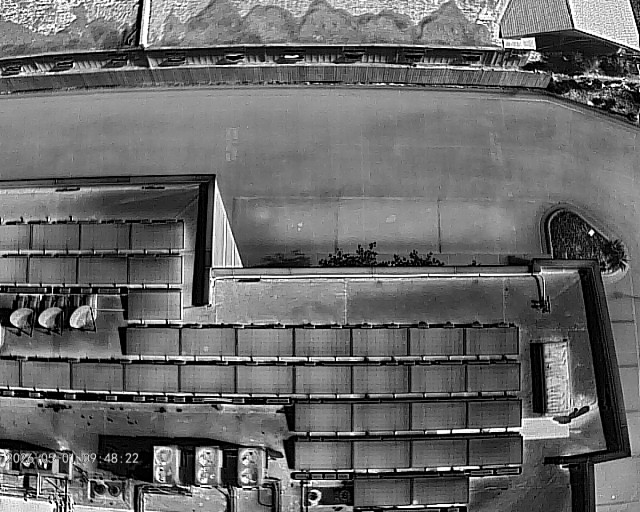
Where infrared drone imaging helps
Infrared imaging can reveal abnormal temperature patterns that are invisible from the ground. However, heat alone does not identify the cause. Irradiance, wind, cloud cover, system loading and module construction all affect the image. A good report explains both the finding and the limitations.
Coordinate solar before roof work begins
If the roof is being replaced, the solar scope should be established before removal. That includes equipment inventory, storage, attachment and flashing expectations, electrical testing and production verification after reset.
What records help define the solar scope?
Keep the storm date, photographs, available production history and current alerts together. Note any pre-existing service issues. Utility bills can add context, but a change in billed electricity alone does not establish storm damage to the array.
Ask your insurer what inspection records and estimates are needed. A solar inspection documents observed conditions; it does not guarantee coverage or payment. If roof replacement is planned, ask for a written solar removal and reinstallation scope before the roofer begins.
What to ask your contractor
- Who is responsible for documenting the array before removal?
- Will attachments and flashings be evaluated for replacement?
- How will modules and hardware be labeled and stored?
- What testing will confirm the system operates after reinstallation?
- Will the solar contractor coordinate directly with the roofer?
Our Lakewood-based team works with Denver metro homeowners, roofers and insurance professionals to document the solar condition and define a restoration plan. Request a Denver metro solar hail inspection and share the storm date, property location and roofing schedule if known.